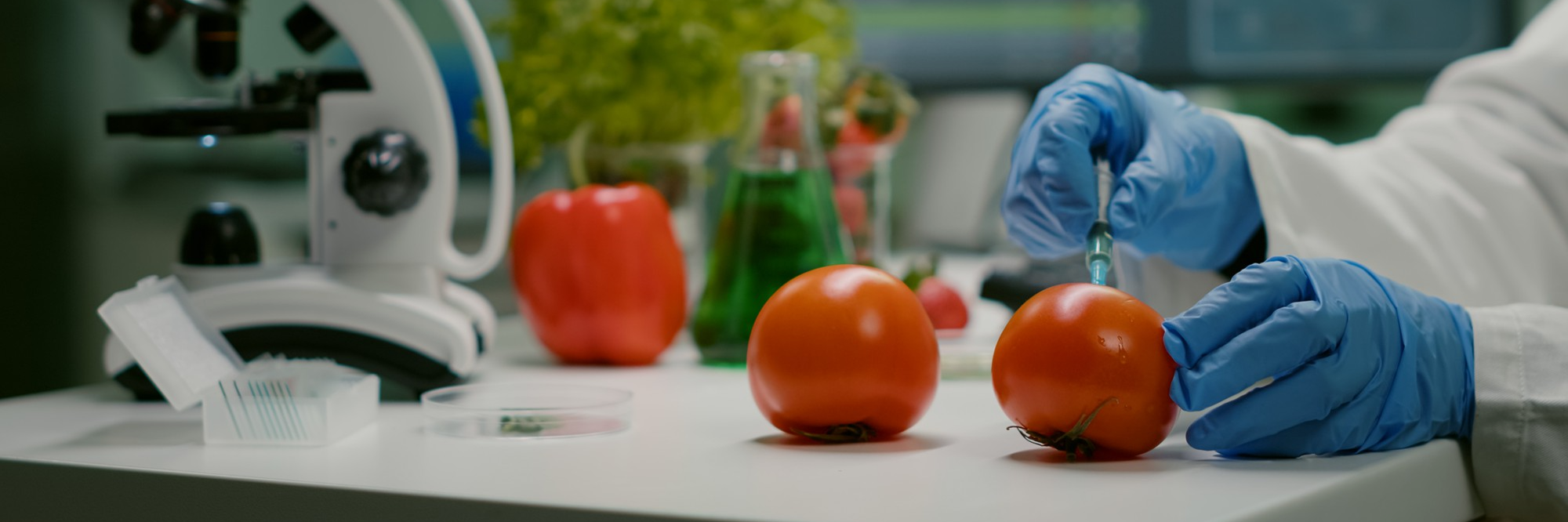
From Farm To Fork. Every Product Tested, Tracked, And Safe.
Food safety is non-negotiable. LIMSera gives food and beverage laboratories the microbiological workflow automation, chemical analysis integration, and AI-powered contamination intelligence they need to protect consumers — across every product, every production line, and every export market.
When A Pathogen Reaches Consumers, No Recall Can Undo The Damage.
Food and beverage laboratories test across the broadest range of parameters in the industry — microbiological counts that require days of incubation, chemical analyses for hundreds of potential contaminants, nutritional composition for labelling compliance, shelf-life studies spanning months, and export certifications that vary by destination country. A single dairy product batch may require thirty microbiological tests, fifteen chemical analyses, and a complete nutritional panel before it can be released.
Most food labs manage this with fragmented systems — incubation tracked on paper, chemical results in spreadsheets, nutritional calculations in separate software, and export certificates assembled manually from multiple sources. Micro readings are missed because no automated timer alerts exist. Contamination patterns across production lines go undetected because data sits in isolated registers. Shelf-life predictions rely on conservative rules of thumb rather than actual degradation data.
LIMSera unifies microbiological, chemical, nutritional, and shelf-life testing into a single connected platform with AI-powered contamination intelligence — so food safety decisions are informed by data patterns, not delayed by data silos.
What We Test
LIMSera is pre-configured for every food and beverage category — with commodity-specific parameters, methods, and regulatory limits.
Dairy & Milk
Fat %, SNF, adulteration, antibiotics, aflatoxin M1, TPC, coliform, somatic cells
Grains & Cereals
Moisture, protein, gluten, mycotoxins, pesticide residues, heavy metals, fibre content
Fruits & Vegetables
Pesticide MRL, heavy metals, microbial load, acidity, Brix, colour, texture analysis
Beverages
Brix, acidity, carbonation, dissolved solids, microbial, preservatives, colour stability
Meat & Seafood
TPC, Salmonella, Listeria, histamine, antibiotics, species authenticity, water activity
Spices & Condiments
Aflatoxin, ochratoxin, pesticide MRL, lead, arsenic, Sudan dyes, moisture, volatile oil
Bakery & Confectionery
Moisture, fat, sugar, trans fat, allergens, shelf-life, peroxide value, microbial
Oils & Fats
FFA, peroxide value, iodine value, fatty acid profile, adulterant screening, rancidity
Every Testing Domain Your Food Lab Covers
Microbiological Testing
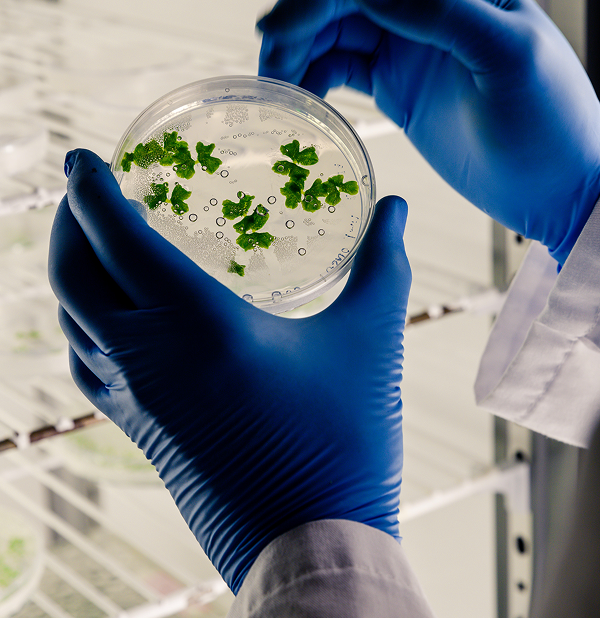
Manage the complete microbiological testing workflow for food and beverage products — from sample receipt through incubation to colony enumeration and pathogen identification. LIMSera tracks Total Plate Count, coliform, E. coli, Salmonella, Listeria, Staphylococcus aureus, yeast, and mould across every product category. Incubation timers ensure readings are taken at the correct intervals. AI pattern detection identifies contamination clusters across production lines, shifts, and ingredient lots before they become outbreaks.
The Food Safety Testing Chain, End To End
Sample Receipt & Registration
Samples arrive from production lines, incoming ingredients, or external clients. LIMSera scans the sample, loads commodity-specific parameter sets, and routes to the correct section — microbiology, chemistry, or physical testing. Holding time and temperature tracking begins at receipt.
Preparation & Incubation
Guided sample prep for micro (dilution series, plating, media selection) and chemistry (extraction, digestion, dilution). Incubation parameters logged per ISO method. Timer alerts ensure readings at 24, 48, and 72 hours. Colony counting with dilution factor auto-calculation.
Instrument & Micro Analysis
Chemical results flow from HPLC, GC-MS, AAS, and texture analysers directly into LIMSera. Microbiological results entered with colony counts, dilution factors, and confirmation tests. Nutritional calculations triggered automatically from proximate data.
Specification & Compliance Check
Every result compared against FDA, EU, Codex Alimentarius, and customer-specific limits per destination market. Non-conforming results flagged with automatic hold on the production batch. AI cross-checks correlated parameters — if TPC is high but pathogen screening is negative, the system flags for investigation.
Review & Approval
Food safety officers review results with AI-generated risk summaries. Pathogen detections trigger immediate escalation workflows. Non-conforming batches enter documented disposition — release, rework, downgrade, or destroy. Every decision timestamped and attributed.
Certificate & Release
Test reports, Certificates of Analysis, nutritional label data, and export compliance certificates auto-generated upon batch release. No product leaves the facility without QC clearance documented in the system. Client portal delivers reports in real time.
7 Principles. Automated.
LIMSera embeds every HACCP principle into your laboratory workflow — from hazard identification through corrective action to record-keeping. Critical Control Points are monitored in real time with automated limit checks and deviation alerts.
Stability Programmes That Run Themselves.
Define ICH-aligned stability protocols across accelerated, intermediate, long-term, and refrigerated conditions. LIMSera auto-generates pull schedules, monitors chamber temperature and humidity in real time, alerts on excursions, and trends degradation kinetics across time points. AI predicts shelf-life endpoints from early data with statistical confidence — so best-before dates are science-driven, not rule-of-thumb.
Nutrition Labels From Lab Data.
When proximate analysis results are approved — moisture, protein, fat, fibre, carbohydrates, ash — LIMSera auto-calculates energy values, generates per-serving and per-100g nutrition facts, and formats the label per your target market regulation. Rounding rules, daily value percentages, and allergen declarations are applied automatically. One analytical result set, multiple market formats — FDA (USA), EU 1169/2011, Codex, or any national regulation.
Everything Your Food Safety Lab Needs
Microbiological Workflow Engine
End-to-end micro testing from sample dilution through incubation to colony counting. Automated timer alerts, dilution factor calculations, and result interpretation per ISO 4833, ISO 7251, FDA BAM, and national food safety methods worldwide.
Multi-Commodity Parameter Library
Pre-configured parameter sets for dairy, meat, seafood, bakery, snacks, beverages, spices, oils, and fresh produce. Each commodity loads its own specification, methods, and regulatory limits.
Incubation & Colony Management
Track incubation conditions, reading schedules, and colony enumeration across multiple incubators. Temperature excursion alerts and automated reading reminders ensure protocol compliance.
HPLC, GC-MS & AAS Integration
Direct data ingestion from HPLC, GC-MS, AAS, ICP-OES, Karl Fischer, and texture analysers. Chromatographic results, calibration curves, and QC checks flow in without manual entry.
Nutritional Label Calculator
Auto-generate nutrition facts panels from analytical results. Formatted per FDA (USA), EU 1169/2011, Codex Alimentarius, and national labelling regulations worldwide. Per-serving and per-100g calculations with market-specific rounding rules.
Shelf Life Study Management
Accelerated and real-time studies with chamber monitoring, automated pull schedules, multi-parameter trending, and AI-predicted shelf-life endpoints based on degradation kinetics.
Allergen Cross-Contact Tracking
Track allergen presence across production lines, cleaning validations, and shared equipment. Swab test results linked to production schedules for cross-contact risk assessment.
Export Certification Engine
Auto-generate export health certificates, free-sale certificates, and country-specific compliance documentation. MRL compliance checked per destination market regulations.
AI Contamination Pattern Detection
Machine learning identifies contamination clusters across production lines, shifts, ingredient lots, and seasonal patterns. Early warning alerts before contamination events escalate.
Multi-Site Quality Dashboards
Consolidated food safety metrics across multiple production facilities, testing laboratories, and contract labs. Compare micro counts, chemical compliance, and rejection rates.
Every Colony Counted. Every Pathogen Screened. Every Pattern Detected.
Food safety depends on microbiological testing that is rigorous, timely, and intelligent. LIMSera manages the entire micro workflow — from sample dilution and plating through incubation to colony enumeration and pathogen confirmation — with guided protocols that enforce method compliance. Incubation timers alert analysts when readings are due. Dilution factor calculations are automatic. Colony counts are recorded with plate identifiers and analyst attribution.
But LIMSera goes beyond individual test results. The AI engine analyses micro data across production lines, shifts, seasons, and ingredient lots. When coliform counts spike on Line 3 during the night shift, the system doesn't just report the result — it identifies the pattern, correlates with cleaning validation records and ingredient changeovers, and surfaces the probable root cause before the next production run.
Predict Contamination Risk. Forecast Shelf Life. Prevent Recalls.
Food recalls are catastrophically expensive — in cost, in brand damage, and in consumer trust. LIMSera's AI shifts food safety from reactive to predictive. The contamination intelligence engine identifies statistical relationships between micro counts, ingredient sources, production conditions, and seasonal factors. When an ingredient supplier's lots begin trending toward higher background micro loads — still within spec but approaching action limits — the system alerts procurement and QC before the trend crosses into non-conformance.
For shelf-life, the AI models degradation kinetics across parameters — water activity decline, rancidity index increase, microbial growth curves, and sensory score deterioration. Instead of waiting for the 6-month time point to confirm shelf life, the system predicts the endpoint from early data with statistical confidence intervals. Best-before dates are recommended per product, per formulation, per storage condition.
From Ingredient Intake To Export Clearance. Compliance At Every Step.
Food products cross borders — and every border crossing requires different compliance documentation. LIMSera tracks ingredient quality from supplier through production to finished product, maintaining the traceability chain that export authorities demand. When a shipment of spices requires a pesticide residue certificate for the EU market, the system checks every detected residue against EU Regulation 396/2005 MRLs for that specific commodity, generates the compliance assessment, and produces the export health certificate — automatically.
Multi-site quality dashboards consolidate food safety metrics across production facilities, in-house laboratories, and contract testing labs. Compare micro rejection rates across plants. Track ingredient supplier quality trends. Monitor regulatory compliance status per market in real time. Every data point traces back to its source — the specific sample, the specific analyst, the specific instrument, the specific approved result.
Food Safety Compliance Built Into Every Workflow.
Global Food Safety Audit Trail
Every test, approval, and disposition logged with timestamps, user attribution, and reason codes. Complete traceability from ingredient to finished product.
Equipment Calibration
Centralised register for incubators, autoclaves, pH meters, balances, and analytical instruments. AI-scheduled calibration based on usage and regulatory requirements.
HACCP & CAPA
Critical control point monitoring integrated with testing workflows. Deviation investigation, corrective action, and effectiveness verification documented end-to-end.
Labelling & Standards
Nutritional label compliance per FDA, EU 1169/2011, Codex, and national regulations worldwide. Allergen declaration management. ISO 22000, BRC, IFS, and FSSC 22000 aligned workflows.
Standards We Support
Designed For Every Role In Food Safety
Guided micro workflows, incubation management, colony counting tools, and pathogen screening protocols with automated confirmation testing
Direct instrument integration, pre-loaded commodity parameters, nutritional calculations, and automated QC checks for every analytical batch
Batch disposition dashboards, specification compliance monitoring, shelf-life study oversight, and rejection trend analysis across product lines
HACCP integration, pathogen alert escalation, allergen tracking, contamination pattern analysis, and regulatory audit documentation
Real-time line-level quality visibility, micro trending by shift and line, ingredient lot correlation, and AI early warning for contamination
Auto-generated export certificates, MRL compliance per destination market, free-sale certificates, and regulatory submission documentation
Frequently Asked Questions
Ready To Modernise Your Food Safety Lab?
See LIMSera configured for your commodities, your micro protocols, your regulatory markets, and your compliance requirements.
A live walkthrough configured for your laboratory. No generic demos.